
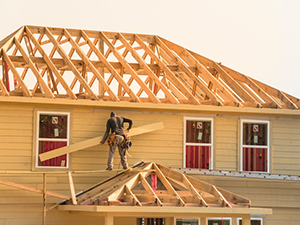
The housing market is evolving quickly, and homeowners today want more than just four walls and a roof, they want technology that makes life easier, safer, and more efficient. Smart homes are no longer futuristic concepts; they are becoming the new standard in modern construction. With features like automated lighting, energy-efficient climate control, and advanced security systems, smart homes offer unmatched convenience and value. For best results, you need a quality smart home builder.
At Ambassador Builders, we specialize in creating homes that combine traditional craftsmanship with cutting-edge technology. As experienced smart home builders in Pflugerville, TX, we guide clients through every step of the process, from design to installation, ensuring their homes are fully equipped for today and tomorrow. Call us now at 512-387-6592 to learn more.
What Is a Smart Home?
A smart home uses connected technology to automate or remotely control different residential systems. Depending on the homeowner’s needs, these systems can include lighting, thermostats, security devices, entertainment equipment, appliances, door locks, shades, and energy monitoring.
The goal is not to add technology simply because it is available. A well-designed smart home should make everyday tasks easier while keeping the systems practical, secure, and easy to use.
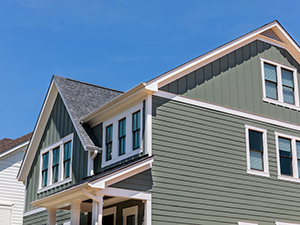
When smart technology is considered during the initial design stage, wiring, networking equipment, electrical requirements, device locations, and control systems can be planned as part of the home’s overall construction.
How Long Does It Take to Build a Smart Home?
The construction timeline for a smart home depends on the size of the property, architectural complexity, site conditions, material availability, permitting, and the number of technology systems being integrated.
Smart home construction generally follows the major stages of conventional home construction, but technology planning should begin much earlier.
Planning and Design
The first stage involves identifying the systems the homeowner wants to control and determining where devices, sensors, controls, and networking equipment should be located.
Planning at this stage helps avoid situations where homeowners need to retrofit wiring or equipment after construction is complete.
Construction
The structural construction process includes site preparation, foundation work, framing, roofing, plumbing, electrical work, HVAC installation, insulation, and interior finishes.
Electrical and low-voltage infrastructure for smart systems can be coordinated during this stage.
Smart Technology Installation
Depending on the project, smart devices may include automated lighting, smart thermostats, security cameras, video doorbells, smart locks, motorized shades, entertainment systems, and energy monitoring equipment.
Each system should be configured and tested to ensure that the devices communicate correctly and operate as intended.
Final Walkthrough
Once installation is complete, homeowners can review the systems and learn how to operate them. This may include mobile applications, voice controls, automated schedules, security settings, and other customized functions.
What Technology Can Be Included in a Smart Home?
Smart home technology can be customized around the homeowner’s priorities. Common systems include:
Smart Lighting
Automated lighting can allow homeowners to control individual fixtures or groups of lights using switches, mobile applications, schedules, or compatible voice assistants.
Smart Climate Control
Smart thermostats can help homeowners manage temperature settings and schedules while providing greater visibility into heating and cooling patterns.
Home Security
Connected security systems may include cameras, smart locks, motion sensors, video doorbells, and other monitoring devices.
Smart Entertainment
Homeowners can integrate televisions, speakers, streaming equipment, and whole-home audio systems for convenient entertainment control.
Automated Window Treatments
Motorized shades and blinds can be programmed or controlled remotely and may also work with lighting and climate-control systems.
Energy Monitoring
Energy monitoring technology can help homeowners understand how electricity is being used throughout the property and identify opportunities for more efficient operation.
What Skills Does a Smart Home Builder Need?
A smart home project requires more than installing connected devices. The builder must understand how technology interacts with the physical structure and existing home systems.
Construction Knowledge
The foundation, framing, roofing, insulation, and other structural components must meet appropriate construction standards before technology can be integrated.
Electrical Coordination
Smart devices depend on properly planned electrical systems. Power requirements, device locations, wiring, and electrical loads should be considered during design and construction.
Networking and Connectivity
Reliable connectivity is essential for many smart devices. Larger homes may require strategically positioned networking equipment to provide consistent coverage throughout the property.
Technology Integration
Smart devices from different manufacturers may use different platforms and communication standards. Planning the system as a whole can help reduce compatibility problems.
Homeowner Training
Technology is only useful when homeowners understand how to operate it. A good builder or technology partner should explain the basic controls and provide appropriate guidance after installation.
Why Plan Smart Technology During Construction?
Retrofitting a smart system into an existing home can be possible, but new construction provides an important advantage: technology can be considered before walls are closed and finishes are installed.
Planning early can allow for:
- Dedicated wiring
- Better networking infrastructure
- Strategic device placement
- Centralized equipment locations
- Additional electrical capacity where appropriate
- Future technology upgrades
- Cleaner installation
This approach can also make future expansion easier. Homeowners may not need every smart feature immediately, but planning the infrastructure for future additions can provide greater flexibility.
Smart Home Design and Energy Efficiency
Smart technology can complement an energy-efficient home, but technology alone does not make a property energy efficient.
Building performance depends on factors such as insulation, windows, air sealing, HVAC equipment, building orientation, lighting, and appliance efficiency.
Smart thermostats, automated lighting, energy monitoring, and smart appliances can then help homeowners manage those systems more effectively.
For homeowners planning a new residence, working with a new home builder in Pflugerville TX can provide an opportunity to consider smart technology alongside the home’s broader construction and design requirements.
How to Choose a Smart Home Builder in Pflugerville, TX
Not every home builder has the same experience with technology integration. Before choosing a contractor, homeowners should ask how smart systems will be incorporated into the construction process.
Consider the builder’s experience with:
- Custom home construction
- Electrical and low-voltage coordination
- Home networking
- Security systems
- Smart lighting and climate controls
- Technology planning
- Post-installation support
It is also worth determining whether the builder performs the technology installation directly or coordinates with specialized smart-home professionals.
Clear responsibility matters. You should know who handles design, installation, configuration, troubleshooting, and future support before the project begins.
Build a Connected Home in Pflugerville, TX
A smart home should make life easier, not more complicated. The best systems are thoughtfully planned around the homeowner’s routines and integrated into the home’s design without compromising comfort or aesthetics.
From automated lighting and climate control to security, entertainment, networking, and energy monitoring, today’s technology provides many options for creating a more connected home.
If you are planning a new home in Pflugerville, TX, Ambassador Builders can help you consider smart technology alongside the home’s overall design and construction requirements.
Call 512-387-6592 to discuss your smart home project with Ambassador Builders.
FAQ
Can any home be turned into a smart home?
Yes but building a smart home from the ground up ensures smoother integration and fewer limitations compared to retrofitting an existing home.
Are smart homes more expensive to build?
They may cost more upfront, but they often save money long-term through energy efficiency and increased property value.
Do I need a special internet for a smart home?
Most smart homes require strong, reliable Wi-Fi, and many builders recommend upgraded networking systems for large properties.
How do I maintain my smart home systems?
Most devices update automatically. Basic maintenance includes checking connectivity, updating apps, and occasionally replacing device batteries.
What are the most useful smart home features?
The most useful features depend on the homeowner. Smart thermostats, lighting controls, security systems, smart locks, networking, and energy monitoring are common choices because they can provide practical everyday benefits.