
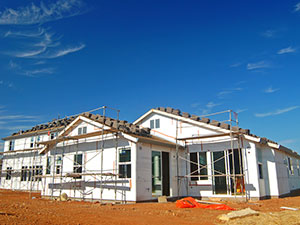
Your home should be more than just a place to live, it should be a reflection of your personality, lifestyle, and vision for the future. That is why more homeowners are turning to custom home design, where every detail can be tailored to suit individual needs. At Ambassador Builders, we specialize in turning ideas into reality, helping families create homes in Round Rock, TX and beyond, that balance functionality, beauty, and long-term value. Whether you are dreaming of an open-concept kitchen, a spa-inspired bathroom, or unique architectural features, custom home design gives you the freedom to make your home truly your own. Call us today at 512-387-6592 to learn more.
What Can I Customize in a Custom Home?
When you choose a custom home, you are not limited to pre-set layouts or standardized finishes. Instead, nearly every aspect of your home can be designed around your lifestyle.
- Floor Plans
From open concept living spaces to private nooks, you can design a floor plan that matches how you live day-to-day. Want a spacious home office, a playroom for kids, or a multigenerational suite? Custom design makes it possible. - Exterior Design
The outside of your home is the first impression it makes. You can select architectural styles such as modern, craftsman, farmhouse, or traditional, and customize elements like siding, roofing, windows, and landscaping. - Kitchen Layouts
For many families, the kitchen is the heart of the home. You can design it with oversized islands, walk-in pantries, professional-grade appliances, or built-in dining features tailored to your culinary style. - Bathrooms & Suites
From luxurious spa bathrooms to efficient guest suites, you can personalize the design to include custom showers, freestanding tubs, heated floors, or dual vanities. - Storage Solutions
Custom homes can be built with clever storage: walk-in closets, mudrooms, garage organizers, and hidden built-ins that simplify daily life. - Outdoor Living Spaces
Extend your living area with outdoor kitchens, patios, decks, or even pool areas, perfect for entertaining or relaxing. - Energy Efficiency & Smart Technology
You can choose eco-friendly materials, upgraded insulation, energy-efficient windows, and smart-home technology to improve comfort and reduce long-term costs.
In short, with Ambassador Builders, the customization options are endless. We help you bring your vision to life while keeping your budget, timeline, and goals in focus.
What Sets a Custom Home Design Apart?
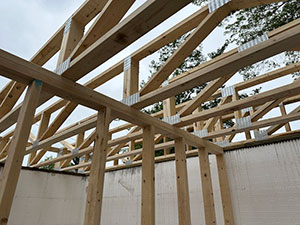
While every custom home is unique, there are certain features that set them apart from standard builds and make them instantly recognizable:
- Unique Architecture
Custom homes often feature distinctive architectural details, from soaring ceilings and dramatic staircases to custom rooflines and expansive windows. These one-of-a-kind touches make the home stand out in any neighborhood. - Personalized Floor Plans
Unlike cookie-cutter designs, custom homes are created around the homeowner’s lifestyle. You will often see open living areas combined with tailored private spaces such as libraries, media rooms, or fitness areas. - High-End Finishes
Custom homes frequently showcase premium finishes such as hardwood floors, natural stone countertops, designer lighting, and bespoke cabinetry. These elements highlight craftsmanship and attention to detail. - Integrated Technology
Smart-home features are a hallmark of modern custom homes. Automated lighting, home security, climate control, and entertainment systems are designed seamlessly into the layout. - Luxury Amenities
From wine cellars and home theaters to outdoor living areas with fireplaces or pools, custom homes often include luxury amenities that reflect the owner’s lifestyle and preferences. - Sustainability & Efficiency
Today’s custom homes often incorporate eco-conscious features like solar panels, energy-efficient HVAC systems, and sustainable building materials, offering both comfort and long-term savings.
Expert Custom Home Design
A custom home is more than a construction project; it is an opportunity to create a living space that truly reflects who you are. From personalized floor plans and luxury finishes to unique architectural details, the possibilities are limitless when you partner with Ambassador Builders. Our team is dedicated to guiding you through the design process, ensuring every decision supports your lifestyle, budget, and vision. With us, your dream home in Round Rock, Texas, is not just possible, it is achievable. Call our team on 512-387-6592 to bring your custom home design to life today.
FAQ
How long does it take to build a custom home?
On average, a custom home takes 10–18 months to design and build, depending on size, complexity, and permitting requirements.
Is building a custom home more expensive than buying an existing one?
While custom homes may have higher upfront costs, they provide long-term value because they are tailored to your needs, use higher-quality materials, and often require fewer renovations later.
Do I need land before starting the design process?
Not necessarily. Ambassador Builders can help you find the right lot and evaluate it for your desired home design.
Can I be involved in the design process?
Absolutely. We encourage homeowners to be active participants, from initial floor plans to final finishes. Your input guides the entire process.