
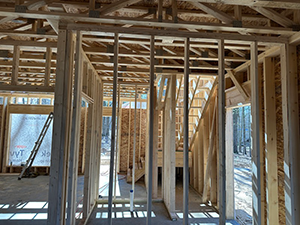
The concept of smart homes has revolutionized modern living, offering convenience, energy efficiency, and enhanced security through advanced technology. In Round Rock, TX, homeowners are increasingly turning into professional smart home builders to design and construct residences that integrate innovative systems for comfort and control. A smart home builder combines traditional craftsmanship with innovative automation to create homes that adapt to the needs and preferences of each homeowner.
For quality results, contact Ambassador Builders at (512) 387-6592 today to schedule a consultation.
Why Choose a Smart Home Builder?
Building a smart home is different from simply purchasing a few connected devices after the house is finished. The most effective smart-home systems are considered during the design and construction stages.
A builder can plan the wiring, electrical requirements, network infrastructure, equipment locations, and control systems while the home is being constructed. This can provide a cleaner installation and make future upgrades easier.
When choosing a builder, look for experience with both residential construction and smart-home integration. The builder should understand how technology affects the home’s electrical, networking, security, HVAC, and interior design requirements.
For homeowners who are planning a new residence in the area, working with a new home builder Round Rock, TX can also help ensure that smart-home features are incorporated into the broader construction plan.
Smart Home Design and Planning
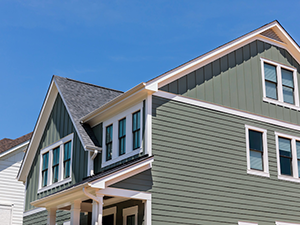
The first step in building a smart home is determining which technologies actually improve your daily life.
A homeowner may want automated lighting throughout the property, while another may prioritize security, climate control, entertainment, or energy monitoring. Identifying those priorities early allows the technology to be integrated into the architectural and electrical plans.
Plan the Network Infrastructure
Reliable connectivity is the foundation of a connected home. During construction, builders can plan locations for networking equipment, access points, structured cabling, control panels, and other infrastructure.
This is particularly important in larger homes where a single wireless router may not provide consistent coverage throughout the property.
Plan for Future Technology
Smart-home technology continues to evolve. A good design should therefore provide flexibility for future upgrades.
Planning conduit, appropriate wiring, accessible equipment locations, and sufficient electrical capacity during construction can make it easier to add new technology later without major remodeling.
Home Automation and System Integration
One of the biggest benefits of a smart home is that individual devices can work together rather than operating as completely separate systems.
For example, a homeowner could create automated routines that:
- Adjust lighting according to the time of day
- Change the thermostat when the home is occupied
- Lock exterior doors automatically
- Turn off selected lights when everyone leaves
- Activate outdoor lighting at night
- Control entertainment systems from a central interface
The specific level of automation depends on the homeowner’s preferences and the systems selected.
The goal is not to add technology simply because it is available. Effective smart-home design focuses on convenience, reliability, usability, and practical benefits.
Smart Lighting for Comfort and Efficiency
Lighting is one of the easiest ways to improve both convenience and energy management.
Smart lighting systems can allow homeowners to control individual lights or entire zones through wall controls, mobile devices, voice commands, or automated schedules.
Lighting scenes can also be created for different situations. For example, one setting may be designed for entertaining while another provides lower lighting in the evening.
Occupancy and scheduling features can also help reduce unnecessary lighting when rooms are unoccupied.
Smart HVAC and Climate Control
Heating and cooling are major components of residential energy use, making smart climate control an important part of many connected homes.
Smart thermostats can provide remote control, scheduling, temperature monitoring, and other features depending on the system selected.
For larger homes, zoned HVAC planning can provide more control over different areas of the property. This can improve comfort by allowing homeowners to manage temperatures based on how individual spaces are used.
The HVAC system should be selected and designed as part of the overall construction process rather than treated as a separate technology upgrade.
Smart Home Security Features
Security is another major reason homeowners choose connected technology.
Depending on the design, a smart home may include:
- Security cameras
- Video doorbells
- Smart locks
- Motion sensors
- Window and door sensors
- Alarm systems
- Remote monitoring
- Automated exterior lighting
These systems can provide homeowners with notifications and remote access through compatible applications.
However, security technology should be selected carefully. Homeowners should consider privacy, system reliability, network security, maintenance, and how different devices communicate with one another.
Energy Efficiency and Smart Technology
Smart technology can complement energy-efficient construction, but technology alone does not make a home energy efficient.
The home’s insulation, windows, doors, HVAC system, building envelope, lighting, and appliances all play important roles.
Smart thermostats, energy monitoring systems, automated lighting, and connected appliances can help homeowners understand and manage energy use. When combined with sound construction practices, these technologies can support greater efficiency and comfort.
Smart Entertainment and Connected Living Spaces
Home entertainment can also be integrated into the design of a smart residence.
Depending on the homeowner’s needs, systems may include whole-home audio, televisions, dedicated home theaters, media rooms, distributed speakers, and centralized controls.
Planning entertainment technology during construction can help hide wiring, position equipment properly, and maintain a clean interior appearance.
What Should You Consider Before Building a Smart Home?
Before construction begins, homeowners should decide which smart features are essential and which are optional.
Consider:
Lifestyle
Think about how you use your home and which routines could genuinely benefit from automation.
Budget
Smart-home technology can range from relatively simple devices to sophisticated whole-home systems. Establishing priorities helps prevent unnecessary spending.
Compatibility
Different products do not always work together seamlessly. Choosing compatible systems from the beginning can reduce integration problems.
Security and Privacy
Connected devices should be protected with strong passwords, secure networks, updated software, and appropriate privacy settings.
Future Upgrades
Plan infrastructure that can accommodate additional technology as your needs change.
Choosing the Right Smart Home Builder in Round Rock, TX
Selecting the right builder is critical because smart-home technology affects more than the electronics. It can influence electrical planning, network infrastructure, HVAC, security, lighting, and interior design.
Look for a builder who communicates clearly, understands custom residential construction, and can coordinate technology requirements with the broader building process.
It is also useful to review previous work, understand what is included in the construction scope, and establish expectations regarding technology installation, programming, testing, and ongoing support.
Ambassador Builders works with homeowners to create custom residences that combine thoughtful design, quality construction, and modern functionality.
Build a Smart Home Designed Around Your Lifestyle
A successful smart home should make everyday life easier rather than more complicated. The most effective approach is to integrate technology into the home’s design from the beginning so that systems are reliable, accessible, and easy to use.
From lighting and climate control to security, networking, and entertainment, homeowners can select the features that provide the greatest value for their lifestyle.
If you’re planning a smart home in Round Rock, TX, contact Ambassador Builders at (512) 387-6592 to discuss your project and explore your design options.
FAQ
Can existing homes be upgraded with smart technology?
Yes. Many existing homes can be retrofitted with smart systems. Professional builders and technicians can install modern automation features without major renovation.
What types of devices can be controlled in a smart home?
Homeowners can control lighting, heating, cooling, security systems, door locks, appliances, and entertainment systems through central hubs or mobile apps.
How does a smart home improve security?
Smart homes feature real-time surveillance, automated locking mechanisms, and instant alerts, allowing homeowners to monitor and protect their property from anywhere.
Can smart-home systems be upgraded later?
Yes. A well-planned infrastructure can make future upgrades easier. During new construction, it is useful to account for evolving technology and potential additions before walls and ceilings are closed.