
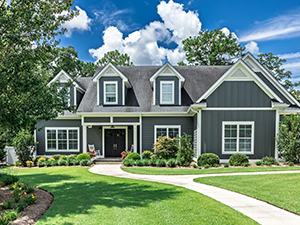
Homeowners in Elgin, TX are increasingly looking for smarter, healthier, and more sustainable ways to build. Choosing a green home builder is not just about adding solar panels or selecting recycled materials; it is about applying building science to create a home that performs efficiently year-round. Understanding the science behind energy-efficient design helps you make informed decisions for your family and long-term investment. If you are planning a new home in Elgin TX, contact Ambassador Builders at (512) 387-6592 to learn how a green home builder can turn advanced building principles into everyday comfort.
At its core, a green home builder relies on proven scientific principles to reduce energy waste, enhance indoor air quality, and optimize durability. Every design choice, from foundation to roofing, plays a role in how efficiently a home functions.
What Makes a Home Truly Green and Energy Efficient?
A green home is not defined by one particular product or technology. Its efficiency comes from how the entire structure is designed and constructed.
The building envelope, mechanical systems, materials, and site all influence how much energy a home consumes. A properly designed home can reduce unnecessary heat transfer, control air leakage, improve indoor comfort, and reduce the workload placed on heating and cooling equipment.
For homeowners planning a custom project, working with custom builders in Elgin, TX can provide greater flexibility because efficiency features can be incorporated into the home’s design from the beginning rather than added later.
How Does the Building Envelope Improve Energy Performance?
The building envelope separates the conditioned interior from the outdoor environment. It includes the foundation, walls, roof, insulation, windows, doors, and air barriers.
A strong building envelope helps maintain consistent indoor temperatures and reduces energy loss. In Elgin’s warm Texas climate, controlling unwanted heat entering the home is particularly important.
How Does Air Sealing Reduce Energy Waste?
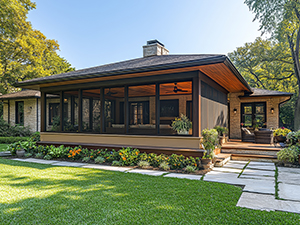
Uncontrolled air leakage can allow conditioned air to escape while outdoor air enters through gaps around windows, doors, electrical penetrations, plumbing, and other openings.
A green home builder can address these areas through careful air-sealing practices during construction. Reducing unnecessary air movement helps HVAC systems operate more efficiently and can make rooms feel more comfortable.
Proper air sealing should also work with appropriate ventilation. A tightly constructed home still needs controlled fresh-air exchange to maintain good indoor air quality.
Why Is Insulation Important for a Green Home?
Insulation slows the movement of heat through the building envelope. Properly selected and installed insulation can help keep conditioned air inside while reducing heat transfer through walls, ceilings, and other areas.
However, simply adding more insulation does not guarantee better performance. Installation quality, air sealing, moisture management, and thermal bridging also matter. The entire assembly needs to work together.
How Can Windows Affect Energy Efficiency?
Windows provide natural light and outdoor views, but they can also contribute significantly to heat gain and heat loss.
Energy-efficient windows may use features such as insulated glazing, Low-E coatings, and improved frames to help control heat transfer. Window placement is equally important because the direction and amount of sunlight reaching the glass can affect indoor temperatures.
A well-planned home can use larger windows where natural light and views are valuable while incorporating shading, overhangs, or other design strategies where direct solar exposure becomes excessive.
This approach allows homeowners to enjoy bright interiors without treating energy efficiency and aesthetics as competing goals.
How Does HVAC Design Support a Green Home?
Heating and cooling systems account for a significant portion of residential energy use, particularly in warm climates. For that reason, HVAC planning should be based on the actual characteristics of the home.
Why Is Proper HVAC Sizing Important?
An HVAC system that is too large may cycle frequently instead of operating efficiently for longer periods. An undersized system may struggle to maintain the desired temperature during periods of extreme weather.
Professional load calculations can help determine the appropriate system capacity based on factors such as home size, insulation, windows, orientation, and building-envelope performance.
Efficient equipment is important, but efficiency also depends on proper installation, duct design, airflow, and maintenance.
Can Ventilation Improve Indoor Air Quality?
Yes. A green home should balance energy efficiency with healthy indoor air quality. Controlled ventilation can help introduce fresh air while reducing excessive uncontrolled air leakage.
Low-VOC finishes, appropriate filtration, moisture control, and properly designed ventilation can further contribute to a healthier indoor environment.
What Sustainable Materials Should Homeowners Consider?
Material selection is another important part of green construction. Homeowners should consider not only how a product looks but also its durability, maintenance requirements, energy performance, and environmental impact.
Durable materials can reduce the need for frequent replacement, while responsibly sourced or recycled-content products may help reduce resource consumption.
Interior materials with lower volatile organic compound emissions can also support better indoor air quality. The best material choices depend on the project’s budget, design, performance requirements, and long-term maintenance expectations.
How Does Site Orientation Affect a Green Home?
Energy-efficient design starts before construction begins. The location and orientation of the home on the property can influence sunlight exposure, natural ventilation, outdoor shading, and indoor temperature.
A green home builder can evaluate the lot and consider how the home should be positioned to take advantage of desirable sunlight while limiting excessive solar heat gain.
Can Landscaping Improve Home Efficiency?
Strategic landscaping can complement the home’s energy-efficient design. Trees and other vegetation can provide shade around selected areas of the property, potentially reducing direct solar exposure.
Outdoor spaces can also be positioned to create comfortable areas for homeowners while contributing to the overall relationship between the house and its surroundings.
Can Green Building Features Reduce Long-Term Costs?
One of the strongest reasons to consider energy-efficient construction is the potential for lower operating costs over the life of the home.
A well-designed home may require less energy for heating and cooling while maintaining more consistent indoor temperatures. Durable materials and properly installed systems can also reduce maintenance requirements over time.
However, homeowners should avoid assuming that every “green” product automatically provides a financial return. The value of an efficiency upgrade depends on its upfront cost, expected lifespan, energy savings, maintenance, and how the home is actually used.
A sensible green building strategy focuses on measurable performance rather than simply adding expensive technologies.
Why Should You Choose an Experienced Green Home Builder?
Energy-efficient construction requires coordination between multiple parts of the building. A high-performance window cannot compensate for poor air sealing, and efficient HVAC equipment cannot fully solve problems caused by an inadequate building envelope.
An experienced green home builder in Elgin, TX can help coordinate these elements during design and construction. This integrated approach gives homeowners a better opportunity to achieve meaningful improvements in comfort, efficiency, and long-term performance.
How Can Ambassador Builders Help Build a Greener Home?
Building a sustainable home requires planning before construction begins. From site orientation and floor-plan development to insulation, windows, HVAC systems, materials, and ventilation, each decision can influence the home’s overall performance.
Ambassador Builders works with homeowners in Elgin, TX to develop homes that combine practical design, quality construction, and energy-conscious features. Call (512) 387-6592 to discuss your project and explore options for building a more efficient home.
FAQ
What makes a green home builder different from a traditional builder?
A green home builder uses building science principles to optimize energy efficiency, air quality, and sustainability from the ground up.
Are energy-efficient homes more expensive to build?
Initial costs may be slightly higher, but long-term savings on utilities and maintenance often offset the investment.
Do green homes improve indoor air quality?
Yes. Advanced ventilation systems and low-VOC materials contribute to healthier indoor environments.
Can energy-efficient design increase resale value?
Homes with strong energy performance and lower operating costs are often attractive to future buyers.