
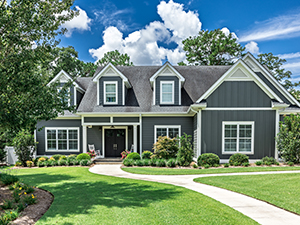
Building a home is a major financial decision, and choosing the right builder can significantly impact long-term value, comfort, and efficiency. Working with a green home builder ensures that your property is designed with sustainability, energy efficiency, and environmental responsibility in mind.
Ambassador Builders provides green home builder services in San Marcos, TX, helping homeowners create modern homes that reduce energy consumption while maintaining high performance and comfort.
If you are looking for a green home builder in San Marcos, TX, contact Ambassador Builders at (512) 387-6592 today to begin planning a more efficient and sustainable home.
What Makes a Green Home Different From a Conventional Home?
A green home is not simply a house with a few energy-efficient appliances. Its performance depends on how different components of the property work together, including the building envelope, windows, HVAC system, lighting, water management, and construction materials.
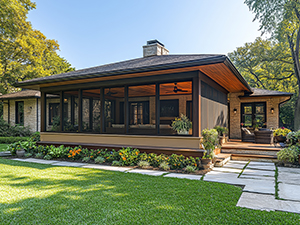
A well-planned green home may include:
- High-performance insulation
- Energy-efficient windows and doors
- Efficient heating and cooling systems
- LED and automated lighting
- Water-saving plumbing fixtures
- Smart thermostats and energy monitoring
- Durable and responsibly selected materials
- Improved ventilation and indoor air quality
- Building orientation designed around site conditions
- Construction practices that help minimize unnecessary waste
The specific features should be selected according to the property, climate, budget, and homeowner’s priorities rather than added simply for appearance.
How Can Energy Efficiency Reduce Long-Term Homeownership Costs?
Energy efficiency is one of the primary reasons homeowners consider green construction. A home’s insulation, windows, air sealing, HVAC equipment, and overall design influence how much energy is required to maintain comfortable indoor temperatures.
An efficient building envelope can reduce unwanted heat transfer, while properly sized HVAC equipment can operate more effectively. Energy-efficient windows can also help improve comfort near exterior walls and reduce the impact of outdoor temperatures.
Homeowners should look beyond the purchase price of individual products. The better question is how each component contributes to the overall performance of the house.
Which Green Building Features Should Homeowners Consider?
Not every green feature provides the same value for every property. Homeowners should prioritize improvements that address their actual needs and provide measurable performance benefits.
Some options worth discussing during the planning stage include:
- Insulation and air sealing: Properly installed insulation and controlled air leakage can improve indoor temperature consistency.
- High-performance windows: Efficient glazing can help reduce unwanted heat gain and heat loss.
- Efficient HVAC systems: Modern heating and cooling equipment can provide comfort while using less energy.
- Smart controls: Programmable thermostats and automated systems can help homeowners manage energy use.
- Efficient lighting: LED lighting and occupancy controls can reduce electricity consumption.
- Water-efficient fixtures: Efficient faucets, toilets, and shower systems can reduce unnecessary water use.
- Durable materials: Long-lasting materials can reduce replacement and maintenance requirements over the life of the home.
The right combination depends on the home’s size, layout, site conditions, and intended use.
How Does Custom Home Design Support Green Construction?
Energy efficiency should be considered before construction begins because the home’s design can influence its long-term performance. Decisions involving orientation, window placement, room layout, roof design, insulation, and mechanical systems are easier to coordinate during the planning stage.
Homeowners considering custom home design in San Marcos, TX can discuss how sustainability and energy performance can be incorporated into the overall floor plan.
For example, thoughtful window placement can bring natural light into frequently used areas without relying entirely on artificial lighting. Properly planned outdoor spaces can also provide shade and create more comfortable transitions between indoor and outdoor areas.
This approach is more effective than trying to make an inefficient design “green” after the plans have already been finalized.
Can Green Homes Provide Better Indoor Comfort?
Energy efficiency and comfort are closely connected. A home with effective insulation, proper air sealing, efficient windows, and a well-designed HVAC system can maintain more consistent indoor temperatures.
Green construction can also address indoor air quality through appropriate ventilation and material selection. Controlling moisture is another important consideration because excessive moisture can contribute to building deterioration and indoor environmental problems.
Homeowners should therefore think about green construction as a combination of energy performance, comfort, durability, and indoor environmental quality rather than focusing exclusively on utility savings.
How Do Sustainable Materials Affect a Home’s Performance?
Material selection can influence both the environmental impact and long-term maintenance requirements of a home. Durable materials may require less frequent replacement, while responsibly sourced products can help reduce the environmental impact associated with construction.
However, “sustainable” does not automatically mean “better” for every project. Homeowners should consider factors such as durability, maintenance, availability, installation requirements, and expected lifespan.
A practical green home balances environmental considerations with the performance requirements of the property.
Can Smart Technology Make a Green Home More Efficient?
Smart technology can support energy-conscious living by giving homeowners greater control over lighting, temperature, security, and other systems.
Depending on the design, homeowners may use:
- Smart thermostats
- Automated lighting
- Energy monitoring systems
- Motorized shades
- Smart irrigation controls
- Connected appliances
- Occupancy sensors
These systems are most useful when they are planned around actual household routines. Technology alone does not make a home energy efficient; it works best when combined with an efficient building design and properly selected mechanical systems.
How Can Green Construction Support Long-Term Property Value?
Energy-efficient homes may appeal to buyers who are increasingly conscious of operating costs, comfort, and sustainability. Features that reduce energy consumption or maintenance requirements can contribute to the home’s overall appeal.
However, homeowners should not assume every green upgrade will automatically increase resale value by the amount invested. The strongest approach is to prioritize features that provide immediate benefits through comfort, efficiency, durability, and reduced operating costs.
Why Choose a Green Home Builder in San Marcos, TX?
Building an efficient home requires more than selecting energy-efficient products. The design, materials, construction methods, and mechanical systems need to work together as one system.
Ambassador Builders provides green home builder services in San Marcos, TX, with an emphasis on thoughtful planning, energy efficiency, durable construction, and modern residential design.
If you are planning a sustainable custom home, contact Ambassador Builders at (512) 387-6592 to discuss your project and determine which green building strategies make sense for your property and lifestyle.
FAQ
Are green homes more expensive to build?
They may have a slightly higher upfront cost, but they often save money over time through lower energy and maintenance expenses.
Do green homes improve indoor air quality?
Yes, they use better materials and ventilation systems that help reduce pollutants and improve air quality.
Are green homes worth the investment?
Yes, they offer long-term savings, increased property value, and environmental benefits.
What is the most important feature of a green home?
There is no single feature that makes a home green. Overall performance depends on how the building envelope, windows, HVAC, lighting, water systems, and other components work together.