
Picture this. It’s early morning in Wimberley. You step out onto a wide front porch with a cup of coffee. The air is cool, the hills are green, and a big oak tree shades the yard. Inside, the kitchen is bright, the floors are warm wood, and there’s room for everyone at the table.
That’s the kind of home a lot of families dream about. If you’ve already looked at Farmhouse Homes in San Marcos, TX, you may recognize the features that make this style appealing across Central Texas. Wimberley’s Hill Country setting, mature trees, and varied landscapes can make it a good fit for homeowners planning a farmhouse-style home.
But a good farmhouse is more than white siding and black windows. It needs a smart layout, a porch you’ll really use, the right materials for Texas weather, and a builder who keeps every step on track. Let’s walk through it.
Why a Farmhouse Fits Wimberley So Well
Wimberley has a slow, friendly pace. Many homes sit on larger lots with trees, creeks, and rolling hills. A farmhouse blends right into that kind of land. It looks like it belongs there.
Farmhouses are also built around family life. They have open spaces for gathering, big kitchens, and room to spread out. For people moving to Wimberley for a quieter life, that feels just right.
When comparing farmhouse builders in Wimberley, TX, look for experience with homes that combine a classic appearance with a practical layout for modern life.
Farmhouse Design: Simple Lines, Warm Feel
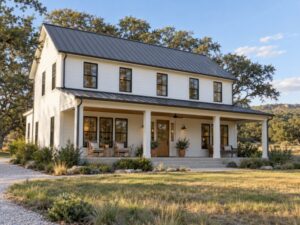
A true farmhouse look is simple. It doesn’t need a lot of extras to look good. Here are the features most people love:
- Gable roofs with a steep pitch
- Board and batten or lap siding
- Large windows that bring in natural light
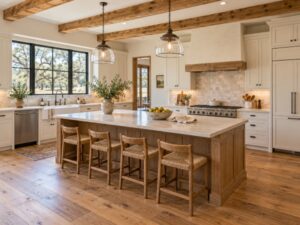
- Exposed beams or wood ceilings
- A neutral color palette with warm wood accents
The goal is a home that feels calm and welcoming. You can keep it classic, or add a modern touch with metal accents, clean trim, and larger glass doors.
Practical Farmhouse Floor Plans
A pretty home is great. A home that works every day is even better. When planning your floor plan, think about how your family moves through the house.
- Open main living area. Most farmhouse plans connect the kitchen, dining, and living room. This makes it easy to cook, talk, and keep an eye on kids at the same time.
- A big kitchen island. The island is often the heart of the home. It’s where people eat breakfast, do homework, and gather during parties.
- A mudroom near the back door. In Wimberley, you’ll be outside a lot. A mudroom with hooks, a bench, and storage keeps dirt and boots out of the main house.
- Main-floor primary suite. Many owners want their bedroom on the first floor. It’s easier now and makes sense as you get older.
- A walk-in pantry and laundry room. Farmhouse living means lots of cooking and real-life messes. Extra storage helps a lot.
- Flex space. An office, a guest room, or a craft room gives you room to grow.
A good builder will help you choose a plan that fits your lot, your budget, and your daily routine.
Porches: The Best Part of a Farmhouse
Ask any farmhouse owner what they love most, and many will say the porch. In Wimberley, a porch isn’t just for looks. It’s a real living space.
- Front porches welcome guests and give the home its classic look. A depth of about 8 feet is a useful starting point for rocking chairs and a small table, with room to walk.
- Back porches are great for privacy and views. Many families add ceiling fans, outdoor lighting, and even an outdoor kitchen.
- Wraparound porches connect the front and side of the home. They give you more shade and more spots to relax.
- Screened porches keep bugs out during warm Texas evenings.
Since Texas summers get hot, think about which side of the house gets the afternoon sun. Porch depth, roof height, and orientation should work together to provide useful shade.
Choosing the Right Materials for Hill Country Weather
Wimberley gets hot summers, heavy rain at times, and the occasional freeze. Your materials need to handle all of it. When comparing Farmhouse Builders Elgin, TX or Wimberley options, ask how the proposed materials will perform in Central Texas conditions.
Here are choices to consider for a Wimberley farmhouse:
- Metal roofing. It fits the farmhouse style and can offer a long service life. Heat reflection depends on the roof’s finish, color, and product specifications.
- Fiber cement siding. It offers a wood-like appearance with resistance to rot and insect damage when properly installed and maintained.
- Local limestone. Adding stone to the base, chimney, or porch columns ties your home to the Hill Country look.
- Wood accents. Suitable wood products on porch ceilings, beams, and doors add warmth. Selection and maintenance should match their exposure.
- Energy-efficient windows. Properly selected double-pane, low-E windows can help limit heat gain and support lower cooling demand.
- Durable flooring. Wide-plank wood, luxury vinyl plank, or tile can work well with farmhouse style. Choose based on household use, moisture exposure, and maintenance needs.
The right mix gives you a home that looks great and holds up for years.
Construction Coordination: Keeping Your Build on Track
Building in Wimberley has its own challenges. Many lots are rural. Some sit near creeks or on hilly ground. Some need a septic system or a water well. This is where good planning matters most.
Discuss who will handle each of these responsibilities:
- Lot reviews. Checking the slope, soil, rock, drainage, and flood hazards before the design is finalized.
- Permits. Confirming applicable building, septic, and other approvals with the authorities responsible for the exact lot.
- Design and budget. Making sure your plan fits your budget before building begins.
- Scheduling trades. Lining up the framers, roofers, plumbers, and electricians so work moves smoothly.
- Clear updates. Agreeing on how progress, changes, and unexpected conditions will be communicated.
A design-build approach places design and construction under one contract. Other arrangements use separate designers and builders. Whichever approach you choose, confirm who coordinates the work, who your main contact will be, and how design changes affect pricing and scheduling.
Why Work With Ambassador Builders
A conversation with Ambassador Builders is an opportunity to discuss your farmhouse plans and ask how a proposed project would be organized.
Before choosing a builder, review:
- How farmhouse plans will be developed around your needs
- What pricing includes and how the timeline is established
- Which materials are proposed for Texas weather
- Who handles design, permits, trade coordination, and project updates
If you’re ready to plan your farmhouse in Wimberley, contact Ambassador Builders to discuss your land, your ideas, and the next steps.
Frequently Asked Questions
1. How much does it cost to build a farmhouse in Wimberley, TX?
Costs depend on the size of the home, your lot, and the materials you pick. Rural lots may also need a septic system, a well, or extra site work. A builder can give you a clear estimate after looking at your land and plans.
2. How long does it take to build a custom farmhouse?
The timeline for a custom farmhouse varies with the design process, permitting, site preparation, weather, and material availability. Your builder can provide a project-specific schedule once the plans and site requirements are established.
3. What is the best roof for a farmhouse in Texas?
Metal roofing is a popular farmhouse option because of its appearance and potential durability. Its performance and lifespan depend on the roofing material, coating, installation quality, maintenance, and exposure to severe weather.
4. Do I need a septic permit to build in Wimberley?
If your lot needs an on-site septic system, confirm the applicable permit, site evaluation, and design requirements with the authority responsible for your property. Check this before finalizing the home’s location and layout.
5. What size porch should a farmhouse have?
A depth of about 8 feet is a useful starting point for a front porch with chairs and walking space. Back porches used for dining or outdoor kitchens often benefit from 10 to 12 feet or more. The right size depends on furniture, circulation, and how you plan to use the space.
6. Can a farmhouse be energy efficient?
Yes. Good insulation, air sealing, suitable low-E windows, effective shading, and a properly sized efficient HVAC system can help keep your farmhouse comfortable and reduce energy use. A reflective roof may also help, depending on its specifications and the overall home design.