
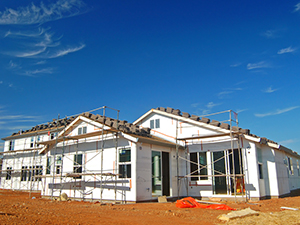
Home owners in San Marcos, Texas, who seek an experienced custom home builder can rely on the services provided by Ambassador Builders for quality construction and personalization of their homes. Custom home building is one of the significant investments that homeowners undertake, giving them the ability to build a house according to their needs and preferences. Ambassador Builders offers experienced custom home building services.
If you are searching for an experienced custom home builder in San Marcos, TX, contact Ambassador Builders at (512) 387-6592 today. Their team offers expert planning, detailed construction, and reliable service to bring your vision to life.
What Should You Consider Before Building a Custom Home?
Before construction begins, homeowners should consider more than the appearance of the finished property. The decisions made during the planning stage can influence construction costs, maintenance requirements, comfort, and long-term value.
Important considerations include:
- Property and site conditions: Evaluate access, drainage, terrain, utilities, and the best position for the home.
- Lifestyle requirements: Consider bedrooms, offices, entertaining areas, storage, garages, and other spaces your household actually needs.
- Future needs: Plan for changes such as a growing family, aging in place, additional work-from-home space, or changing hobbies.
- Budget and priorities: Establish a realistic budget and identify which features deserve the greatest investment.
- Energy performance: Consider insulation, windows, HVAC systems, lighting, and other features that can influence long-term operating costs.
Addressing these issues early can reduce unnecessary changes during construction and create a more efficient building process.
How Does a Custom Home Builder Create a Personalized Floor Plan?
The main benefit of building a custom home in San Marcos, Texas, is the fact that it is possible to design a floor plan based on your actual way of life. It is not required to change your lifestyle to match the layout provided in the production home.
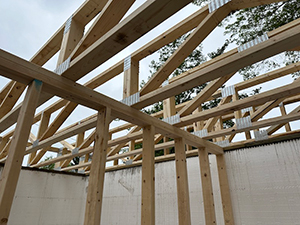
For example, one may be someone who enjoys entertaining and will need an open plan kitchen that opens into the other spaces like the dining room and the lounge. Family type also determines the kind of layout because some families will need more bedrooms and mudrooms.
Thoughtful floor-plan planning can improve:
- Traffic flow between rooms
- Natural lighting
- Privacy between living areas
- Storage capacity
- Indoor-outdoor connections
- Accessibility and future adaptability
Homeowners can also explore custom home plans that provide a foundation for developing a more personalized residence.
What Design Features Can Improve Everyday Comfort?
The design of a custom home needs to focus on functionality instead of adding costly features. A good blend of architecture and interior design will ensure that daily living is easy.
Popular options include:
- Large windows that increase natural light
- Open-concept kitchens and living spaces
- Walk-in closets and customized storage
- Dedicated home offices
- Flexible bonus rooms
- Covered patios and outdoor living areas
- Mudrooms and organized entry spaces
- Spacious primary suites
These features can be adjusted according to the homeowner’s priorities and available property.
How Can a Custom Home Be Designed for Energy Efficiency?
Energy efficiency should be considered during the design stage rather than treated as an afterthought. The home’s orientation, insulation, windows, HVAC system, and lighting can all influence energy consumption and indoor comfort.
A custom home can incorporate features such as:
- High-performance windows and doors
- Proper insulation and air sealing
- Efficient heating and cooling systems
- Energy-efficient lighting
- Smart thermostats and controls
- Efficient appliances
- Properly planned natural lighting
Ambassador Builders can incorporate efficiency-focused strategies into the overall home design so performance considerations work alongside architectural goals.
Why Is Material Selection Important in Custom Home Construction?
Material choice has impacts that go far beyond aesthetics. Floor covering, roof shingles, siding, countertop, cabinetry, window, door, and fixture materials all impact the durability and maintenance of the house.
Homeowners should evaluate materials based on:
- Durability – Will the material withstand everyday use and local conditions?
- Maintenance – How much ongoing care will it require?
- Appearance – Does it complement the home’s architectural style?
- Performance – Does it contribute to insulation, efficiency, or weather resistance?
- Budget – Does the material provide reasonable value for its cost?
Choosing materials based solely on appearance can create problems later. A good custom building process balances aesthetics, performance, and budget.
How Does Site Planning Affect a Custom Home?
Construction of the house alone is not the complete project; the physical attributes of the property may have a large bearing on the design of the project.
Prior to construction, builders should take into account the land’s topography, drainage, accessibility, utilities, orientation, and surroundings. Proper placement of the house can enhance its performance by increasing light and privacy.
In addition, the site planning process can help uncover any construction issues that may arise and be costly later on. This is especially true for properties with unique land features and poor drainage.
What Role Does Project Management Play in Custom Home Construction?
Construction custom building consists of many elements such as design approval, permits, material sourcing, coordination with subcontractors, inspections, and construction scheduling. Lack of coordination results in delays and added costs.
Project management with an appropriate structure facilitates organization at each step of the process. The homeowner needs to be provided with necessary information about project milestones, choices, and timing.
Ambassador Builders coordinates planning and construction with the homeowners and keeps the project focused on the agreed upon design and goals.
How Can Custom Home Design Support Long-Term Value?
The best custom homes are not designed exclusively for current trends. They should remain functional and appealing for years.
Flexible spaces can serve different purposes as household needs change. Sturdy material will lower costs in the future. Efficient energy usage systems can help with controlling costs. Properly designed design can also be attractive for future buyers if the house ever goes on sale.
For homeowners exploring more specialized residential options, custom builders in San Marcos, TX can provide another pathway toward creating a residence tailored to specific design and lifestyle requirements.
Why Choose Ambassador Builders for a Custom Home?
There should be a coordination in terms of design, construction, material selection, schedule, and the needs of the homeowner. It is the job of the builder to integrate all these elements to form a cohesive whole.
Ambassador Builders specializes in personalized residential construction in San Marcos, Texas.
If you are searching for a custom home builder in San Marcos, TX, call Ambassador Builders at (512) 387-6592 to discuss your home-building goals and start developing a plan suited to your property and lifestyle.
FAQ
How long does it take to build a custom home?
The timeline varies depending on the size and complexity of the project, but most custom homes take several months to complete.
Can I choose my own materials and design?
Yes, custom home building allows you to select materials, layouts, and finishes that match your vision.
Are custom homes more expensive than pre-built homes?
Custom homes can have higher upfront costs, but they offer greater personalization and long-term value.
What does a custom home builder do?
A custom home builder coordinates the planning and construction of a residence based on the homeowner’s requirements. This can include floor-plan development, site planning, material selection, scheduling, construction, and project coordination.